Category: Regional Happenings
The Ritz at Washington Heights Opening
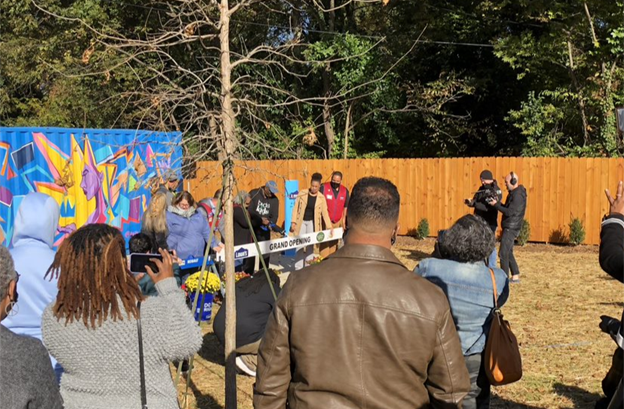
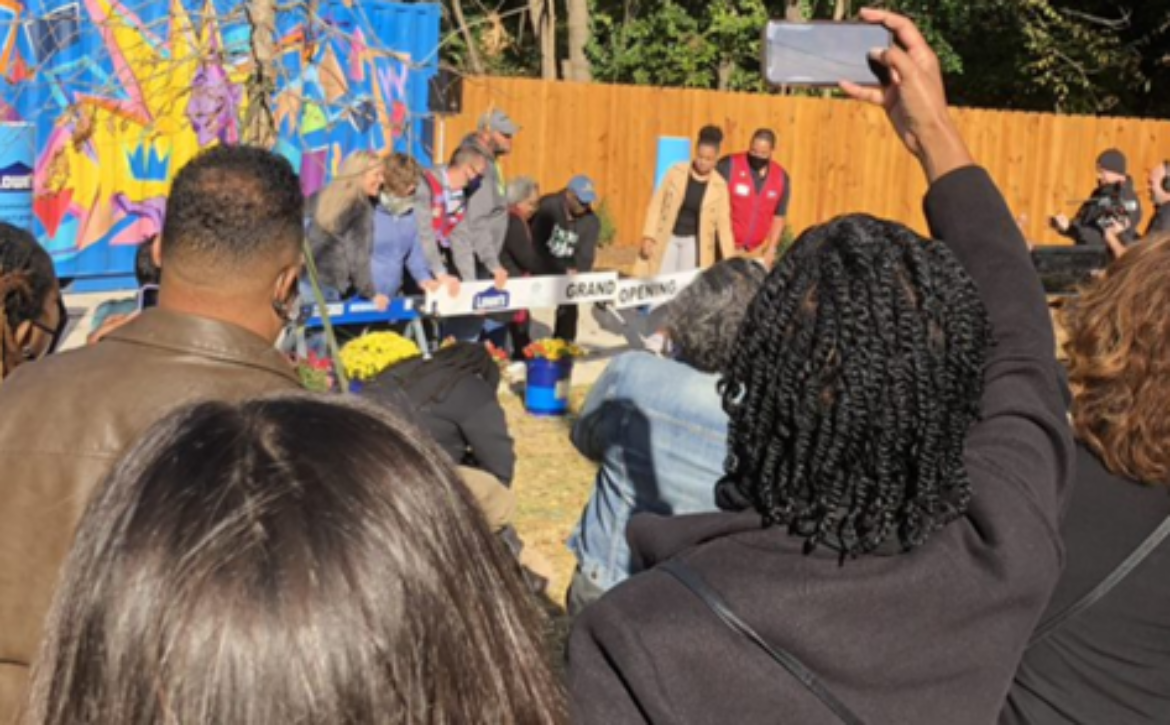
This past Saturday, November 6th 2021, The Ritz at Washington Heights held its ribbon-cutting ceremony and officially opened. The Centralina Clean Fuels Coalition, along with representatives from UNC-Charlotte, the City of Charlotte and Duke Energy, proudly attended the ceremony and joined the celebration. The park site was historically occupied by the Ritz Theater, a segregation-era Black theater that the park is named for in an effort to honor the community’s history. The project of opening this park where the former Ritz Theater sat vacant was chosen from more than 2,000 entries to the Lowe’s 100 Hometowns Grant. Lowe’s awarded millions of dollars to 100 unique community projects across the U.S in celebration of the company’s 100th anniversary. The Ritz project received $200,000 from Lowe’s to complete the park, along with a $25,000 contribution from the Washington Heights Neighborhood Association and a $50,000 contribution from the City of Charlotte’s Corridors of Opportunity program.
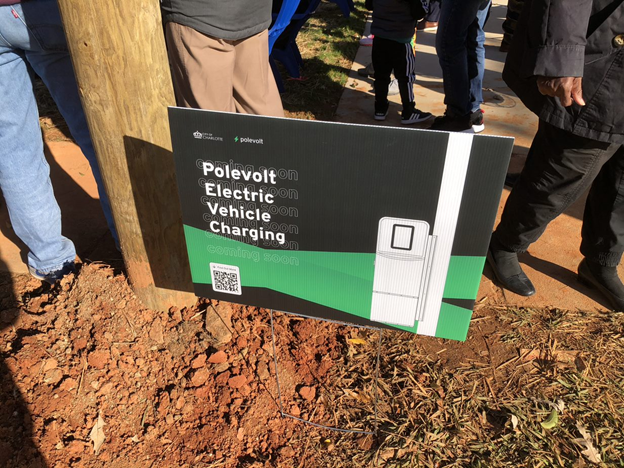
The park is located at 1201 Beatties Ford Road, and this also marks the spot where a PoleVolt curbside electric vehicle charging station will be constructed in the coming months. The PoleVolt charger is part of a US Department of Energy (DOE) pilot effort to explore the challenges and opportunities for introducing curbside electric vehicle charging infrastructure into communities nationwide. As electric vehicle ownership becomes more accessible, charging solutions for electric vehicle owners who do not have access to in-home charging infrastructure are becoming increasingly vital. The product of a three-year partnership between the UNC-Charlotte Energy Production and Infrastructure Center (EPIC), the City of Charlotte, Duke Energy, and the Centralina Clean Fuels Coalition; PoleVolt represents both technological innovation and the increasing importance of energy equity within the electric vehicle charging market.
EPIC and Duke Energy began developing the PoleVolt charger prototypes in 2019. The chargers will be powered by existing Duke Energy light poles and include retractable charging cables and dynamic lighting features to indicate charging status. The project team hopes PoleVolt may serve as a scalable solution for curbside charging efforts in Charlotte and beyond. The multi-year effort to execute the pilot program has yielded valuable insights about curbside charging regulations and requirements for communities nationwide. These learnings will be released in the next year in a project report to US DOE by EPIC and the Centralina Clean Fuels Coalition. The project team is also grateful to have partnered with the Ritz project to introduce curbside charging infrastructure to the Beatties Ford Corridor and surrounding community. The area provides not only a creative, culturally significant space for community events but is also a sign of the progression towards broadening alternative fuel access within the City of Charlotte.
CONNECT Beyond Plan Takes a Critical Step Forward
The wheels are in motion for the greater Charlotte region to implement a comprehensive transportation system. On October 13th, Centralina Regional Council’s (Centralina) Board of Delegates approved the CONNECT Beyond regional mobility plan. Mecklenburg County Commissioner Leigh Altman joined the Centralina board meeting to represent the Metropolitan Transit Commission (MTC), the policy board for the Charlotte Area Transit System (CATS). The MTC officially voted to endorse the CONNECT Beyond plan during its meeting on October 27th.
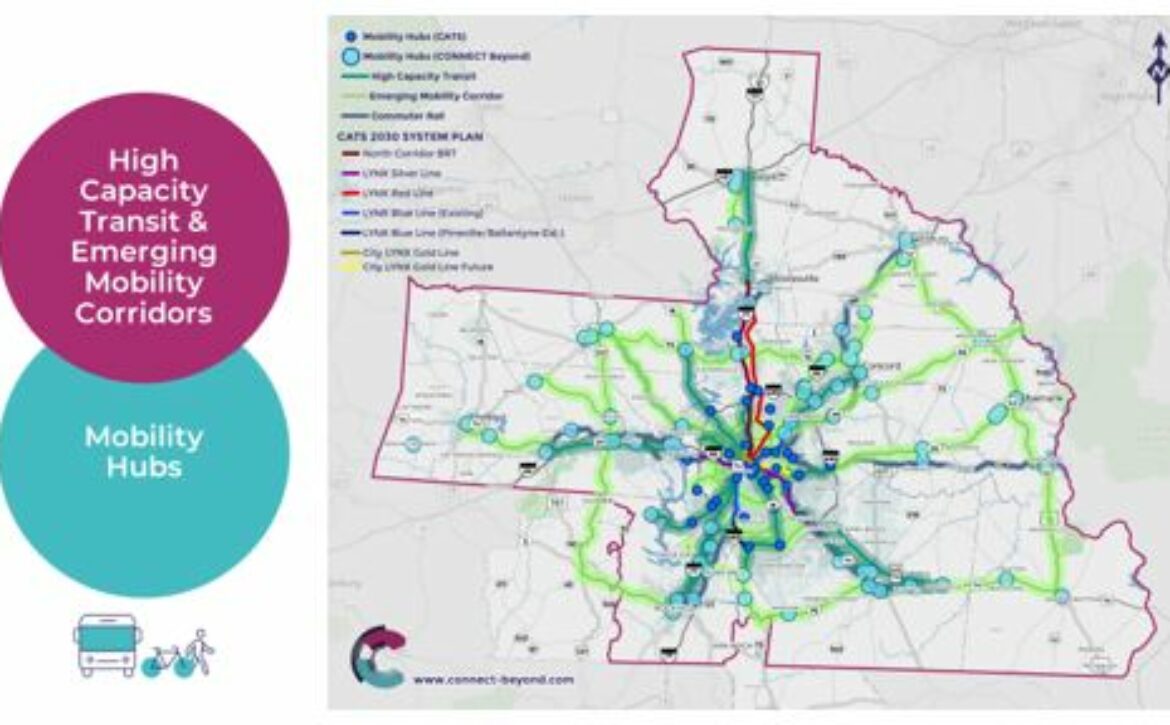
Centralina and the MTC are the project sponsors of this initiative, a first-of-its kind plan that serves as the blueprint for how to implement a robust, interconnected transportation network combining high-capacity transit lines, enhanced bus service and other innovative mobility solutions. The CONNECT Beyond regional mobility plan covers a diverse area, crossing the dashed lines that split the Charlotte region and includes 12 counties, two states, four Metropolitan Planning Organizations, one Rural Planning Organization and two state Departments of Transportation.
The plan provides the framework that will encourage economic growth, connected communities and equitable opportunities. Many transit options are currently focused on localized areas that leave gaps in transit on a regional level and the CONNECT Beyond recommendations will close these gaps and improve access by creating a total mobility network. “Over the past two decades, our region has experienced unprecedented growth and remained resilient through turbulent cycles. Access to safe, reliable, affordable and well-connected public transportation is critical so that everyone can benefit from this economic prosperity,” said Geraldine Gardner, Executive Director of Centralina.
The Path to CONNECT Beyond
Prior to launching CONNECT Beyond, Centralina led a two-year community engagement process to understand our region’s greatest transportation challenges and opportunities, engaging elected officials, planners, medical and educational institutions, transportation agencies, economic developers, employers and workforce leaders. The goal was to discover what mobility needs and transit-focused outcomes could be enhanced through regional coordination and what local interests could be addressed through improved transit mobility. The insights we gathered from this diverse set of perspectives and range of communities resulted in our understanding of mobility needs at the regional and individual community levels, allowing us to move forward with the next phase – defining the transit vision and developing an implementation plan.
Plan Development
Plan development was a stakeholder-driven process built on the work of existing transit and transportation plans across the study area. Centralina, the MTC and their regional partners gathered feedback from the community through surveys and listening sessions. The project team looked at best practices locally and across the country to find a way to seamlessly integrate dozens of different public transit systems to not only help residents get where they need to go, but also to ensure that our region remains economically competitive as we plan for an expected addition of 1.4 million people by 2045.
“The greater Charlotte area is a combination of diverse communities, each with unique needs and challenges, and the CONNECT Beyond plan honors those local needs while providing a bold and unified vision for our region that we can all rally behind,” said Jason Wager, Centralina Assistant Regional Planning Director, Clean Cities Coordinator, and CONNECT Beyond Project Manager. “This work will enliven downtowns, support the ability to connect people to jobs and transit systems across county lines, all while integrating the latest vehicle and mobility technologies into our local network.” The plan balances short-term and long-term tactics, offering solutions that can be implemented today in addition to bigger investments that will be made over time. The approach requires the work of local government planning and funding in addition to coordinated regional actions.
“Our region is poised for tremendous growth and opportunity in the coming years. We must have the vision and commitment to prepare for those changes in a way that ensures a great quality of life, a cleaner environment, and access to opportunity for all,” stated Commissioner Altman. A robust and connected transit system will make our region more attractive to relocating companies and will provide equitable opportunities for residents, allowing increased access to education, jobs, housing, healthcare and healthy food options. Plan recommendations were developed with the urban and rural end user in mind and incorporate public and private transit options including bus rapid transit, vanpools, mobility hubs, ridesharing and bike-sharing and more.
Plan Recommendations
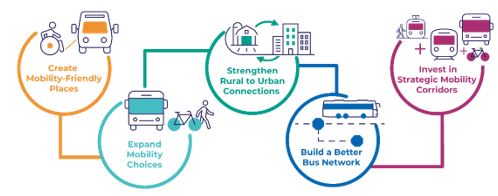
CONNECT Beyond includes more than 150 recommendations that fit into the following five categories, known as Mobility Moves:
- Creating Mobility-Friendly Spaces: strategies to support vibrant, pedestrian-friendly communities that have convenient access to public transit and prepare communities for future transit investment.
- Expanding Mobility Choices: addresses how to support the how, when and where residents and visitors can travel, now and into the future.
- Strengthening Rural to Urban Connections: improving mobility and transportation choices for those living or working in rural communities, allowing better integration between our towns and shortening the time to travel between them.
- Building a Better Bus Network: implementing strategies to integrate existing bus systems and enhance coordination between transit service providers across our region, ultimately making it easier for riders to plan, pay for and complete their trips.
- Investing in Strategic Mobility Corridors: identifying and investing in corridors throughout the region where high-capacity transit lines, commuter rail and emerging mobility services could possibly be extended or newly constructed.
Mobility Moves are supported by key components such as livable centers and mobility hubs, places of connectivity where different travel options come together. These hubs can be thought of as all-in-one centers for bus boarding, rideshare designated pick-up locations, charging and docking stations for bikes, scooters and other private transport options and locations to comfortably wait in between trips.
“Time is our most incredible asset that each and every one of us have. And augmenting times becomes a determining factor in which mode of transportation we will choose as we are moving throughout the region,” said John Lewis, Chief Executive Officer of CATS. “This is an issue of competitiveness. Being able to give individuals back the most amount of time in their commute and allows them more time pursuing business ventures, spending time with family and enhancing quality of life. And much of that is tied to our transportation system and our ability to connect.”
What’s Next
The next steps will entail Centralina and MTC working with transportation planning organizations, counties and municipalities within the project area to educate residents, facilitate cross-county coordination and secure resources to support early implementation priorities. These activities will broaden project partnership opportunities and help local governments customize mobility plan implementation for their communities.
“We are excited to begin rolling out the plan and working with local entities in the region to customize implementation and ensure mobility solutions for everyone. CONNECT Beyond is our north star in meeting the needs of our growing region.” – Geraldine Gardner
For more information about the CONNECT Beyond mobility project and plan visit: https://centralina.org/regional-collaboration/regional-transit/
The City of Charlotte’s Road to Zero Emissions
Drive Clean Rural USA: How Clean Fuels Can Serve Your Community
Benefits of Alternative Fuels for Small & Rural Communities
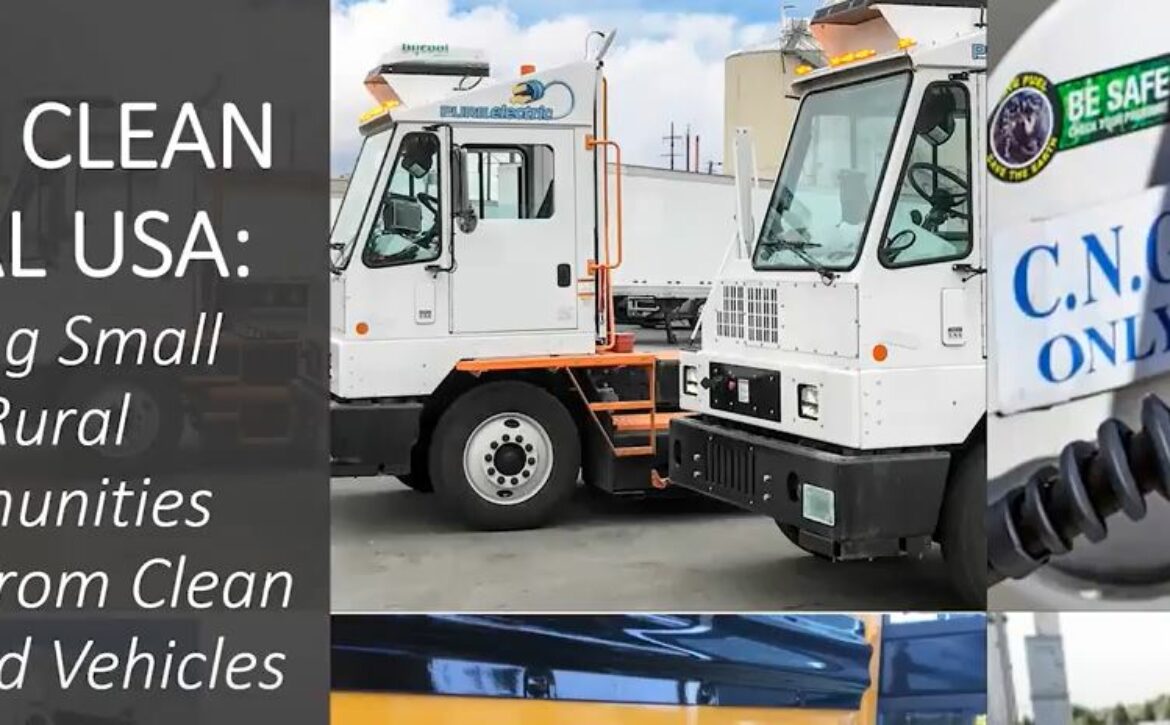
Drive Clean Rural USA: Helping Small & Rural Communities Benefit from Clean Fuels and Vehicles, is a project funded by the Department of Energy and led by Transportation Energy Partners (TEP), a national nonprofit organization bringing Clean Cities Coalition leaders together to advance policies that will reduce American dependence on petroleum-based fuels. Eight Clean Cities coalitions; Alabama, Northern Indiana, Ohio, Columbia-Willamette, Utah, Western Washington, Wisconsin, and Virginia are working with TEP to provide on-the-ground assistance to 24 counties, companies and institutions within these regions.
The goal of this project is to help small and rural communities benefit from clean fuels and vehicles. Communities across the country are saving money and breathing cleaner air by transitioning away from gasoline and diesel vehicles in favor of clean domestic fuels. Access barriers can leave small and rural towns out, but this program is aimed at fixing that. Drive Clean Rural USA intends to provide fuel & maintenance cost savings, domestic fuels & US energy independence, regional job & business opportunities, and clean air to the targeted residents.
Four areas are highlighted to provide fleet assistance to these communities. The first area is free technical assistance; this includes project partners working to assess current vehicle components of fleets and seeing where a clean energy transition fits in, with regards to fueling infrastructure, financing options, and short/long-term priorities. Secondly, the allocation of demonstration vehicles is identified as industry partners loaning clean fuel vehicles for demo purposes to drive and test for community-wide drive and ride events, in addition to allowing temporary staff usage. Regional job and business growth is the third item; this is included to show the importance of creating job opportunities with biofuels and renewable natural gas. Lastly, the promotion of leadership is designed to shine a spotlight on local clean energy leaders within these rural areas through media outreach, press releases, and speaking opportunities.
Benefits of Using Alternative Fuels
Fuel experts; Alliance AutoGas, Sustainable Energy Strategies Inc., NGVAmerica, and Dominion Energy spoke at a webinar and discussion hosted by Virginia Clean Cities titled Drive Clean Rural Virginia: How Can Clean Fuels Serve Your Community? This event contained presentations emphasizing specific benefits surrounding the use of alternative fuels and Virginia’s role in bridging the access gap within rural communities. Each company spoke on their own specializations and the environmental benefits that inspire their work.
According to Alliance AutoGas, using propane as an alternative fuel reduces nitrogen oxide (NOx) emissions by over 30%. They stated that burning propane emits 79% less carbon monoxide, 54% fewer smog-producing hydrocarbons, 42% less nitrogen oxide, and 22% less carbon dioxide when compared to gasoline fueled vehicle emissions. On the report of Sustainable Energy Strategies Inc, ethanol reduces carbon emissions by 35-50% when compared to gasoline. Ethanol is a renewable biofuel that is currently made from corn, sugarcane, and sorghum. With the introduction of new technologies, ethanol can also be made from waste materials such as wood chips, agricultural residues, and industrial gases. It reduces greenhouse gases, eliminates carcinogens, improves high performance, and reduces the formation of ozone. Sustainable Energy Strategies Inc. also emphasized that biodiesel & renewable diesel significantly reduces criteria pollutants’ air pollution. While biodiesel is made from recycled cooking oil, plant oil, and rendered animal fats, renewable biodiesels are a clean burning diesel replacement. Biodiesel & renewable biodiesel reduces climate-change causing greenhouse gases by up to 89%, and up to 74% on average (Sustainable Energy Strategies Inc.).
NGVAmerica affirms that natural gas is sustainable, cost-effective, available, domestic, and reduces greenhouse gas & carbon dioxide emissions. The Cummins Westport Ultra-Low NOx engine supports these facts and is powered by natural gas. This engine is identified as the cleanest heavy-duty engine in the world and is 90% cleaner than the EPA’s current NOx standard. An 11% reduction in traditional liquified natural gas (LNG) and a 17% reduction in traditional compressed natural gas (CNG) greenhouse gas emissions are observed when compared to traditional diesel (NGVAmerica).
Dominion Energy asserts that electric vehicles will aid in carbon reduction and have enacted alternative fuel fleet adoption goals. They call attention to 75% of their passenger vehicles that will be converted to electric by 2030. In addition, 50% of work vehicles are being converted to run on alternative fuels by 2030; currently they are using trucks equipped with electric power take-off (PTO) systems.
Increased access in rural communities to clean and alternative fuels will expand the nation’s energy and economic security. This will allow partnerships to improve transportation energy efficiency and advance affordable, domestic transportation fuels and technologies. Covering the blind spots within community infrastructure for alternative fuel usage will allow for the broad implementation of clean alternative fuels across the nation, aligning with the goals of the Centralina Clean Fuels Coalition, the national Department of Energy Clean Cities program and stakeholders already utilizing these domestic fuels across the country.
Fall 2021 CCFC Intern Position Now Open!
C CFC is pleased to share the launch of the Fall 2021 term of the U.S. Department of Energy’s Clean Cities University Workforce Development Program (CCUWDP). This fall, CCUWDP is offering 50 workforce development program positions across the nation and applications are now available. This is a wonderful opportunity for students looking to gain experience in the energy and transportation areas. Please pass this information along to anyone you know who may be interested in one of these positions. Applications can be found at https://www.cvent.com/d/6mqznc with more information below. Applications are due September 2, 2021. If you have any questions, please email cleancitiesintern@anl.gov.
Clean Cities University Workforce Development Program Fall 2021
The Clean Cities University Workforce Development Program is an initiative of Clean Cities, a government-industry partnership sponsored by the U.S. Department of Energy’s Vehicle Technologies Program. Clean Cities strives to reduce petroleum consumption in the transportation sector in nearly 100 communities across the country. Since the creation of the CCUWDP in 2010, Clean Cities has hosted more than 500 interns in more than 75 Coalitions.
The Clean Cities internship will give students studying communications, public relations, business, marketing, engineering or environmental sciences, the opportunity to grow public awareness and expand the markets of advanced vehicle technologies, alternative fuels, and practices that reduce the consumption of petroleum. Students have participated in research, outreach activities, public education, K-12 outreach, fleet events, and a vast array of transportation-related environmental projects.
This internship will interest students with backgrounds in marketing, business, writing, public administration, and similar.
Specific Details:
|
To submit your resume and complete the online application, please click here. If selected, interns will be notified by September 15, 2020. Questions? Email: CleanCitiesIntern@anl.gov |
President Biden Announces New EV Targets, Emissions Standards
Washington D.C -President Biden last Thursday signed an Executive Order that sets an ambitious new target to make half of all new vehicles sold in 2030 zero-emissions vehicles including battery electric, plug-in hybrid electric, or fuel cell electric vehicles. Th Executive order also kicks off development of long-term fuel efficiency and emissions standards to save consumers money, cut pollution, boost public health, advance environmental justice, and tackle the climate crisis.
In addition, the Environmental Protection Agency and US Department of Transportation announced how they are addressing rollbacks of near-term fuel efficiency and emission standards. Through these coordinated notices of proposed rulemaking, the two agencies are advancing smart fuel efficiency and emissions standards that would deliver around $140 billion in net benefits over the life of the program, save about 200 billion gallons of gasoline, and reduce around two billion metric tons of carbon pollution. For the average consumer, this means net benefits of up to $900 over the life of the vehicle in fuel savings.
American automakers Ford, GM and Stellantis and the United Auto Works (UAW) stood with President Biden at the White House in support of these efforts.
Read the full fact sheet on the Executive Order
Read the statements from automakers & others
VW Settlement Phase 2 Webinar Recording & Comment Links
- 10 a.m. – 12 p.m. Wednesday, July 14: Western NC Region
- 2 p.m. – 4 p.m. Wednesday, July 14: Centralina/Triad Region-link to recorded webinar is here.
- 10 a.m. – 12 p.m. Wednesday, July 21: Triangle Region
- 2 p.m. – 4 p.m. Wednesday, July 21: Coastal NC Region
Economic Impact Analysis of Clean Energy Development in NC-2021 Report
The NC Sustainable Energy Association has just released their biennial Economic Impact Analysis of Clean Energy Development in North Carolina Report.
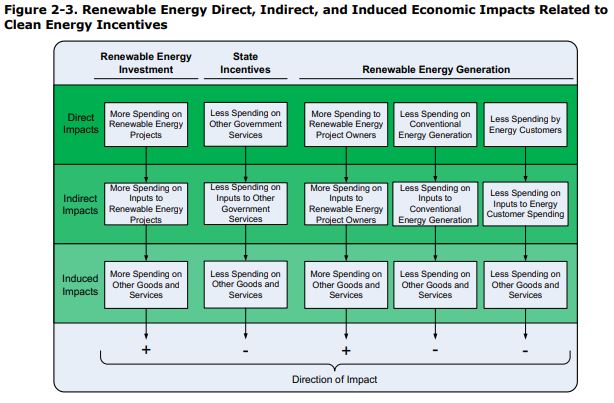
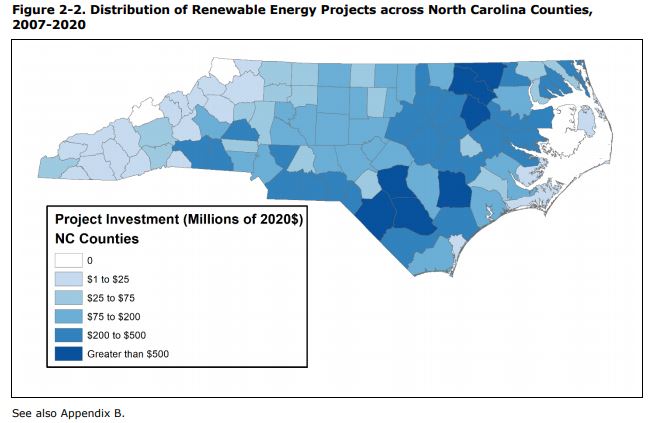
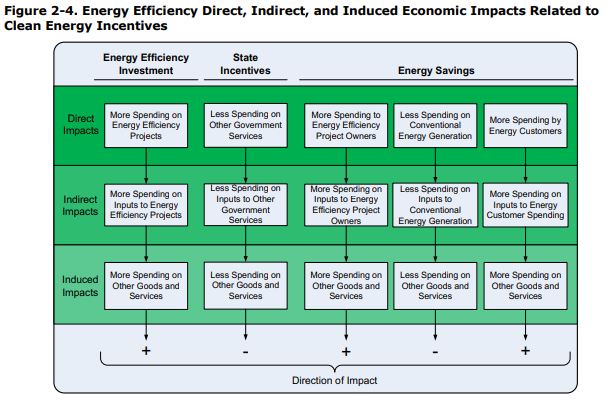
RTI International conducted the report to identify associated economic impacts of clean energy development (renewable energy and energy efficiency) in North Carolina and identified that, from 2007-2020, the total economic impact of clean energy and energy efficiency project development in the state was $40.3 billion, with 17 percent of the cumulative clean energy investment over the last 14 years occurring in 2019 and 2020.


- 1
- 2